




PC上で Asa Di Vaar with Audio のための互換性のあるAPKをダウンロードしてください
| ダウンロード | 開発者 | 評価 | スコア | 現在のバージョン | アダルトランキング |
|---|---|---|---|---|---|
| ↓ PC用のAPKをダウンロード | Sukhpreet Singh | 0 | 0 | 1.0.2 | 4+ |
| SN. | アプリ | ダウンロード | 開発者 |
|---|---|---|---|
| 1. |
 Asa Player
|
ダウンロード ↲ | AsaApplications Com LLC |
| 2. |
Asa Tempo
|
ダウンロード ↲ | AsaApplications Com LLC |
| 3. |
OnAir Audio
|
ダウンロード ↲ | ATEN INTERNATIONAL CO., LTD. |
| 4. |
Any Video to Audio
|
ダウンロード ↲ | AnywaySoft, Inc. |
| 5. |
Convert Audio
|
ダウンロード ↲ | ptl1998naganodevall |
または、以下の PC (エミュレーター) 用の Asa Di Vaar with Audio APK をダウンロードしてください。
3 つの簡単な手順で、コンピューターで Asa Di Vaar with Audio.apk を使用する方法を説明します。
Asa Di Vaar with Audio iTunes上で
| ダウンロード | 開発者 | 評価 | スコア | 現在のバージョン | アダルトランキング |
|---|---|---|---|---|---|
| 無料 iTunes上で | Sukhpreet Singh | 0 | 0 | 1.0.2 | 4+ |
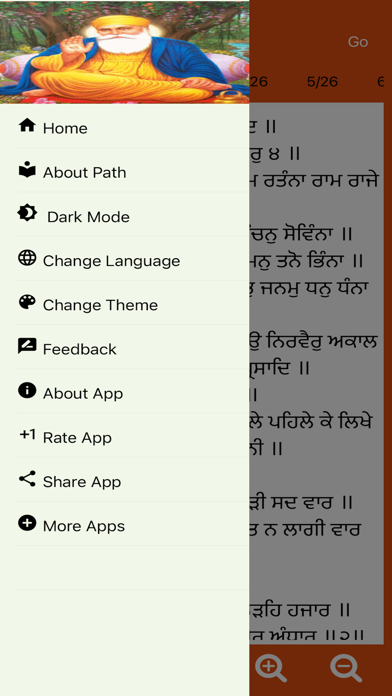
Asa Di Var It is found in the Sikh holi book, Shri Guru Granth Sahib Ji, from ang 462 line 17 to ang 475 line 10. It is a composition by Shri Guru Nanak Dev Ji, the founder of Sikhi, and is sung by kirtania (religious musicians) at Sikh congregations or gatherings as part of the early morning service. It is said that if recited and sung with true belief, one's hopes/wishes are fulfilled. The term "Asa di Var" comprises three words: The third word Var means an ode or a lyrical verse; the word Asa which means "hope" in Punjabi, is also a Raag or musical measure used in the Guru Granth Sahib; and 'ki' or 'di' mean "of". Thus together the terms means 'A ballad of hope'. Raag Asa is the raga of pre-dawn hours and the custom of reciting the hymn at morning time is traced to the days of Guru Nanak himself. It is said that Bhai Lahina (later, Guru Angad) was the first to sing it in the presence of Guru Nanak. The Var then comprised twenty four pauris or stanzas by Guru Nanak and some slokas which were also of his composition as indicated in the title given it by Guru Arjan when entering the composition in the Holy Book (salok bhi mahalle pahile ke likhe), the slokas were also composed by the First Guru, Guru Nanak. In its present form, it carries twenty four stanzas with a total of fifty nine slokas, 45 by Guru Nanak and 14 by Guru Angad.


